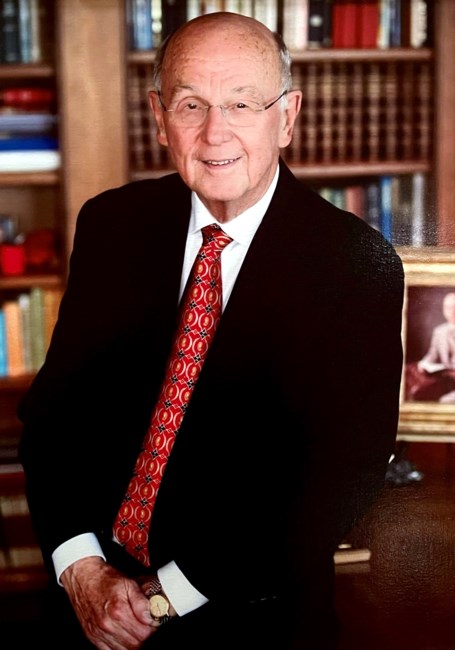
Claude E. Cooke Jr. |
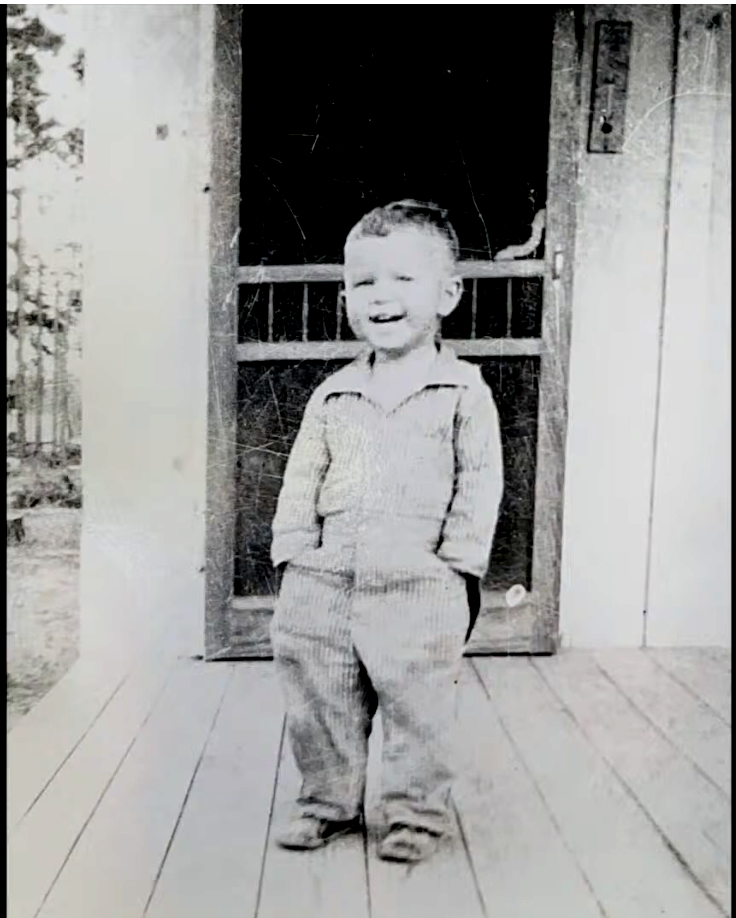
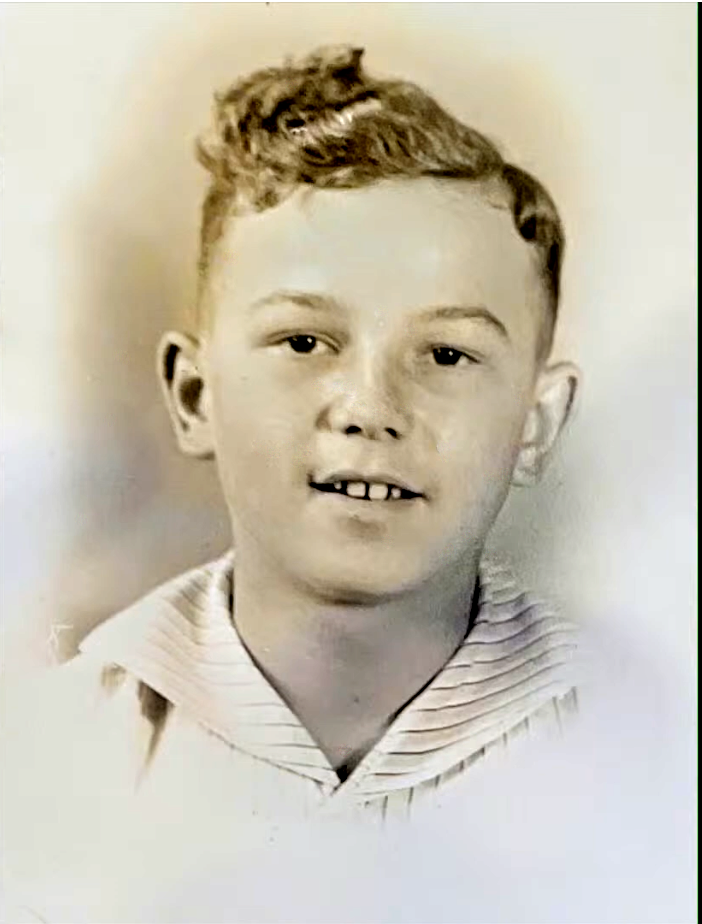
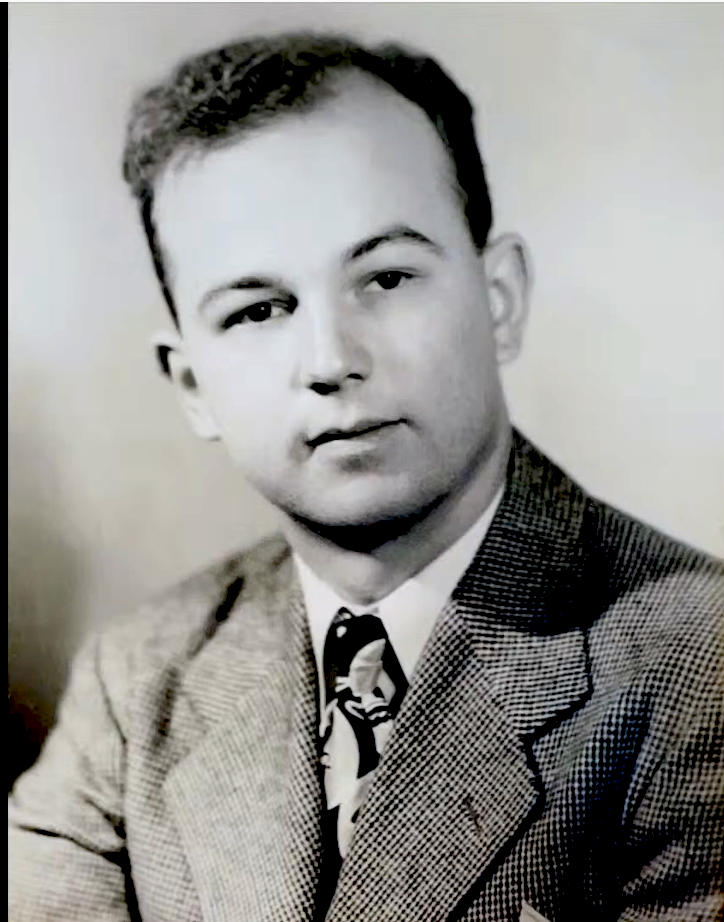
Claude Everett Cooke, Jr., age 94, passed away on January 17, 2024. He was born on November 12, 1929 in El Dorado, Arkansas, the only child of Claude Everett and Evie Tilley Cooke.
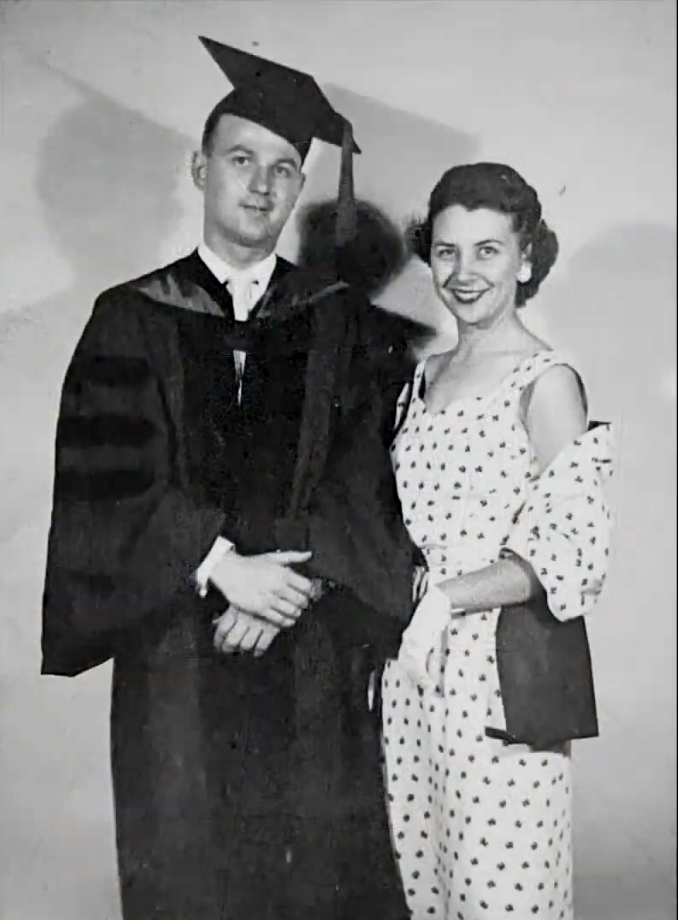
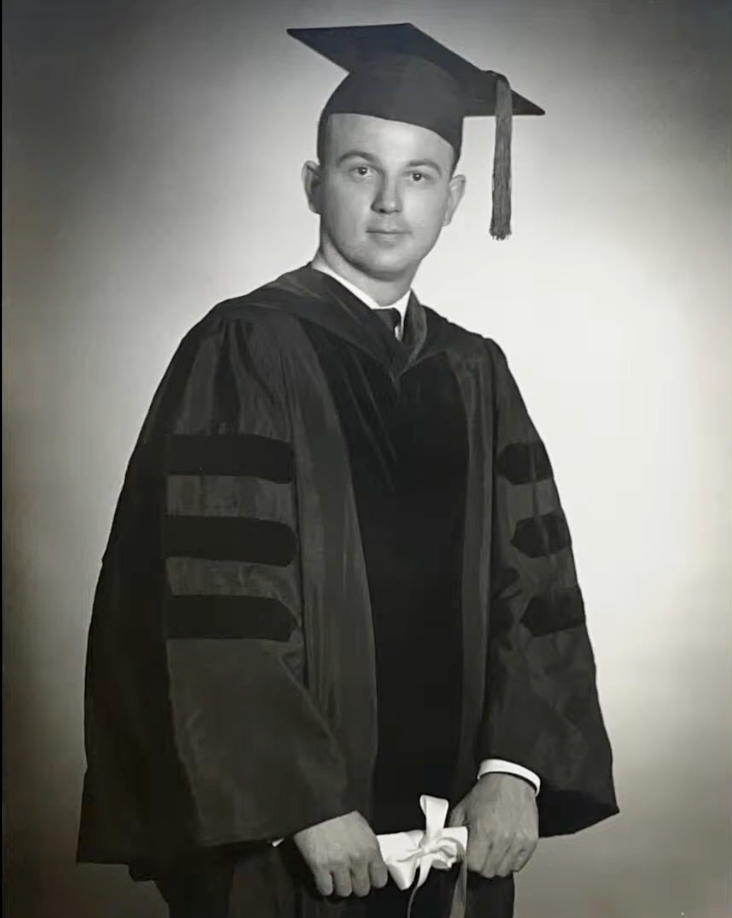
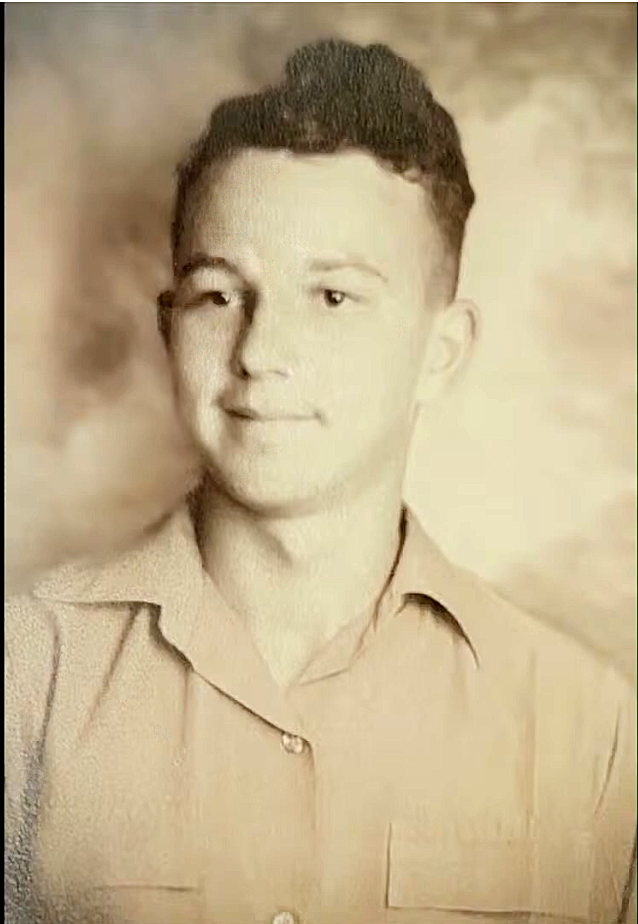
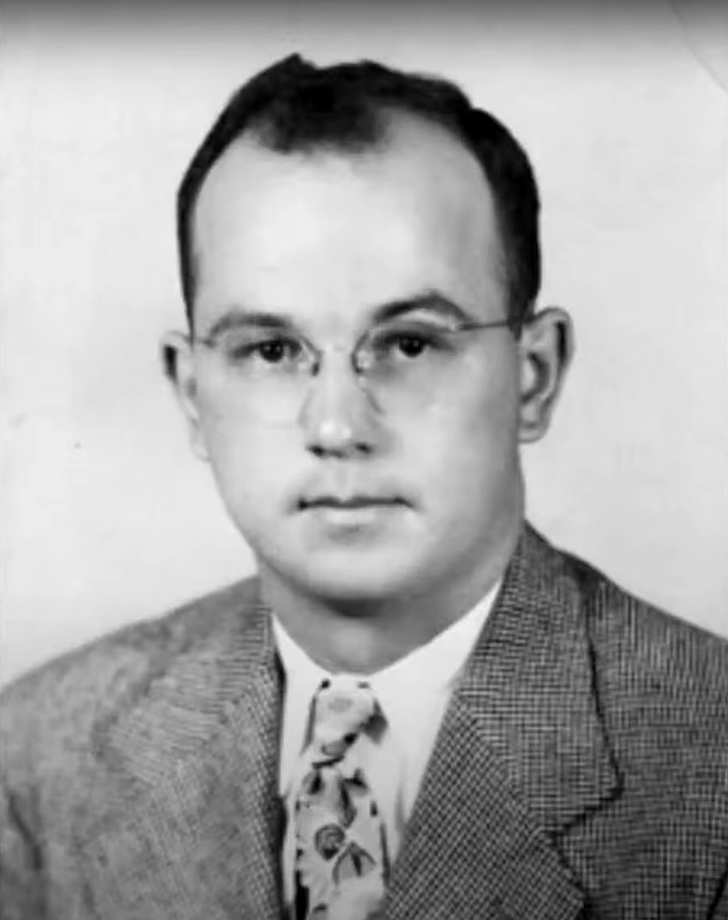
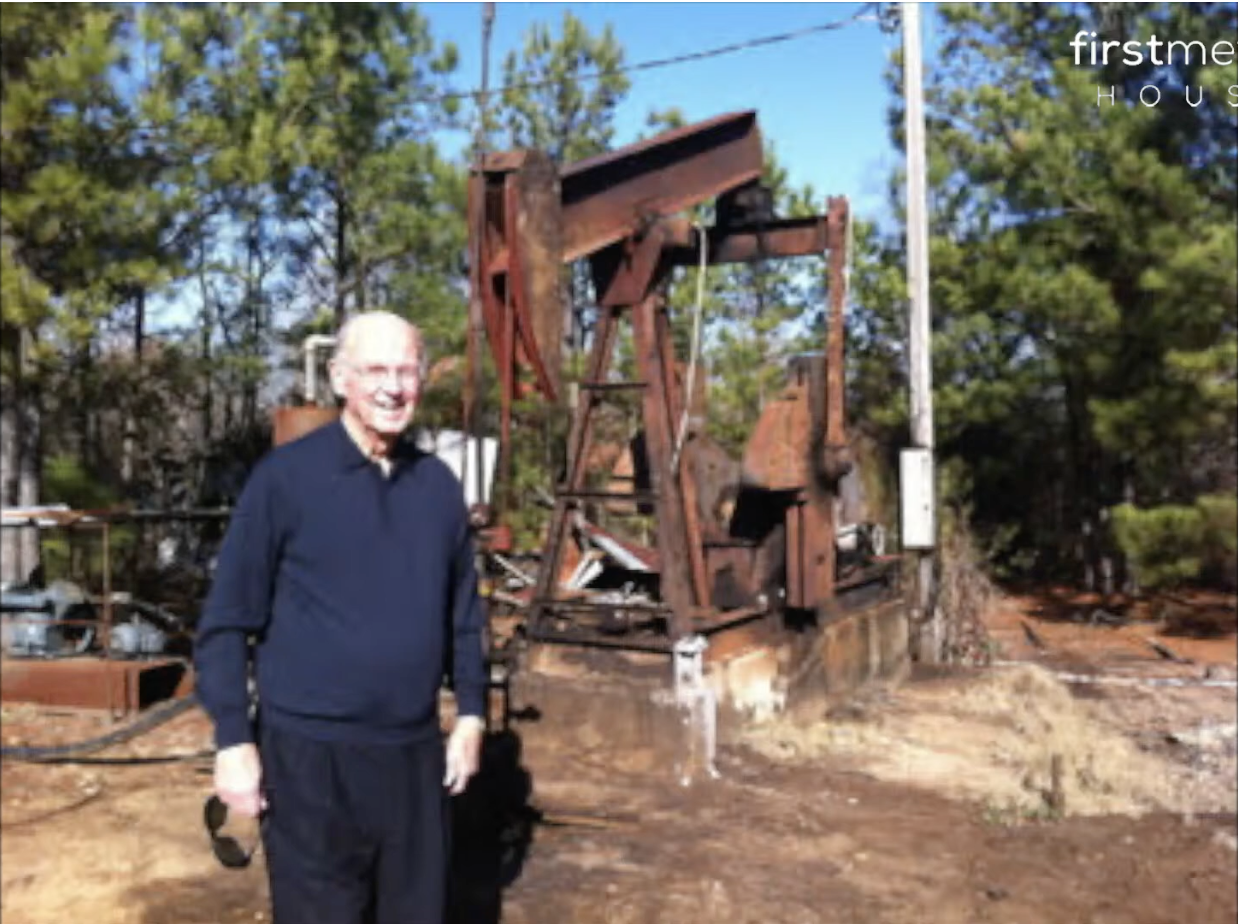
Claude grew up in the oil field near Smackover, Arkansas where his father was an oil field worker. His family moved to Kilgore, and he graduated from Kilgore High in 1947. He attended Kilgore Jr. College for one year, then Louisiana Tech, graduating with honors in physics in 1951. He moved to Austin to attend UT and earned a master’s degree, followed by a PhD in Physics (1954). He was a member of Kappa Alpha social fraternity.
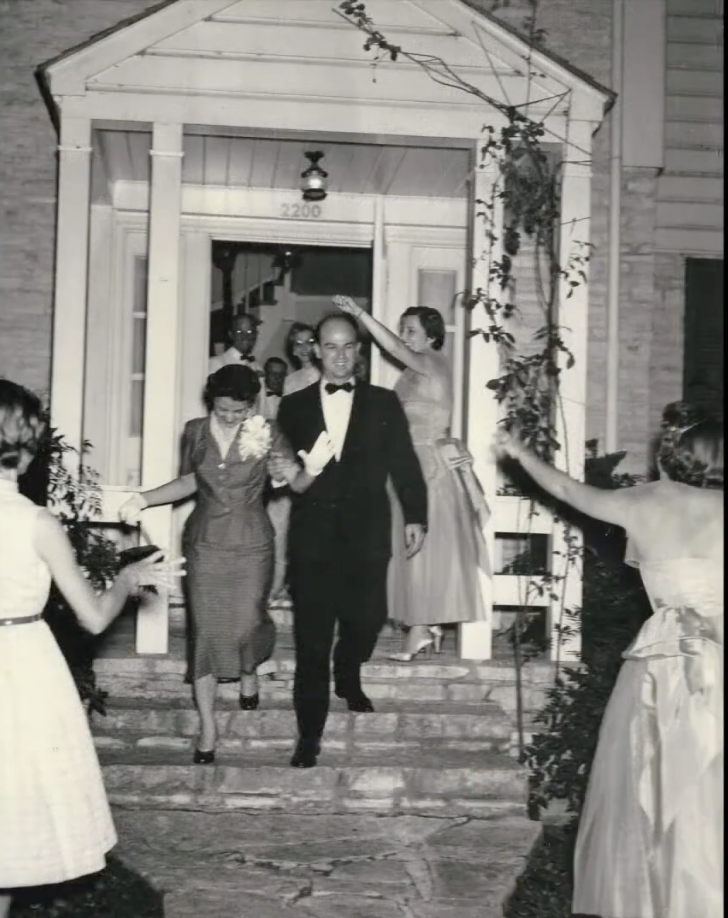
He met his future bride, Joyce Milton, in Austin. They married in 1954 and moved to Houston where he began his career at Humble Oil and Refining Company’s research laboratory. During his career at Humble/Exxon he was named as an inventor on about thirty patents and published pioneering papers in the fields of hydraulic fracturing, cementing, and other technologies related to oil and gas production.
He was named a “Legend of Hydraulic Fracturing” by the Society of Petroleum Engineers and served on the Board of Directors of CARBO Ceramics Inc., the major manufacturer of ceramic proppant, for 13 years.
At age 40 and still working full-time, Claude enrolled in night classes at UH Law School and graduated in 1974. In 1977, the Cookes hosted a foreign exchange student from Iran (Rita Dirro) for her senior year at Memorial High.
In 1985, Claude was recognized by the Houston Intellectual Property Law Association as “Outstanding Inventor of the Year.” In 2016, he was elected to the “Fluids Hall of Fame” by the American Association of Drilling Engineers, and in 2017 he was named as the Distinguished Alumnus in Physics by Louisiana Tech University.
Retiring from Exxon after 32 years, he focused on business consulting and his legal practice. He became a licensed patent attorney in 1989 and his patent law practice included prosecution of patents, preparation of patents for his own inventions, and serving as an expert witness in patent and trade secret litigation.
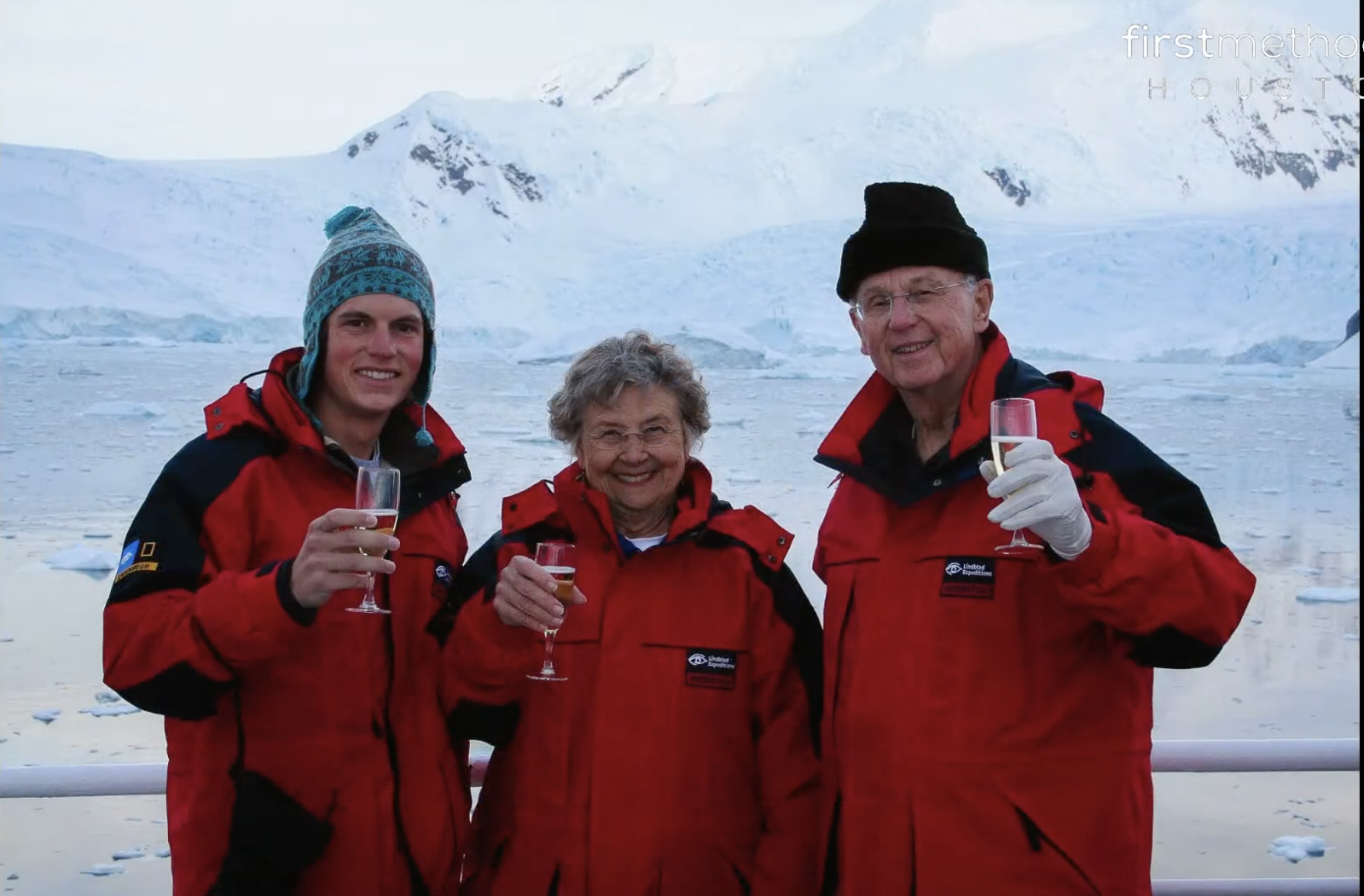
In 2001, the Cookes moved from their home in Houston and built a home on Lake Conroe where they hosted many social and church events. Claude loved to travel, eventually visiting every continent, and shared this love with his family with memorable trips and cruises to the Caribbean, Europe, Alaska, Hawaii, and the Galapagos Islands. He was an avid camellia grower for years in Houston and became active in Montgomery County Performing Arts Society when in Montgomery. Claude enjoyed music, fishing, and staying in touch with friends all his life.
Claude was a member of the Adelphi Class of First Methodist of Houston for about 50 years and was also a member of First Methodist of Conroe where he was in the Beacon Class. He was a member of the Rotary Club in Houston and in Conroe where he was named a Paul Harris Fellow.
In 2021, he authored and published his autobiography, entitled Thanks for the Lift: Life of an Oil Field Kid. The book is part of the inheritance left for his family and succeeding generations, to help them better understand life and to engender positive beliefs and faith that our lives have a God-given purpose.
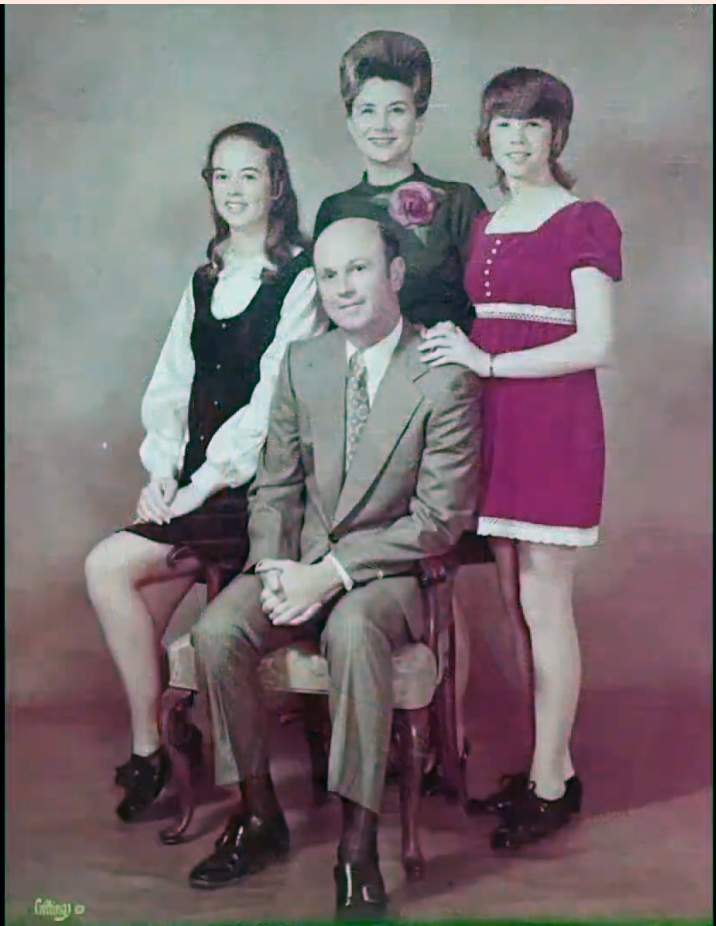
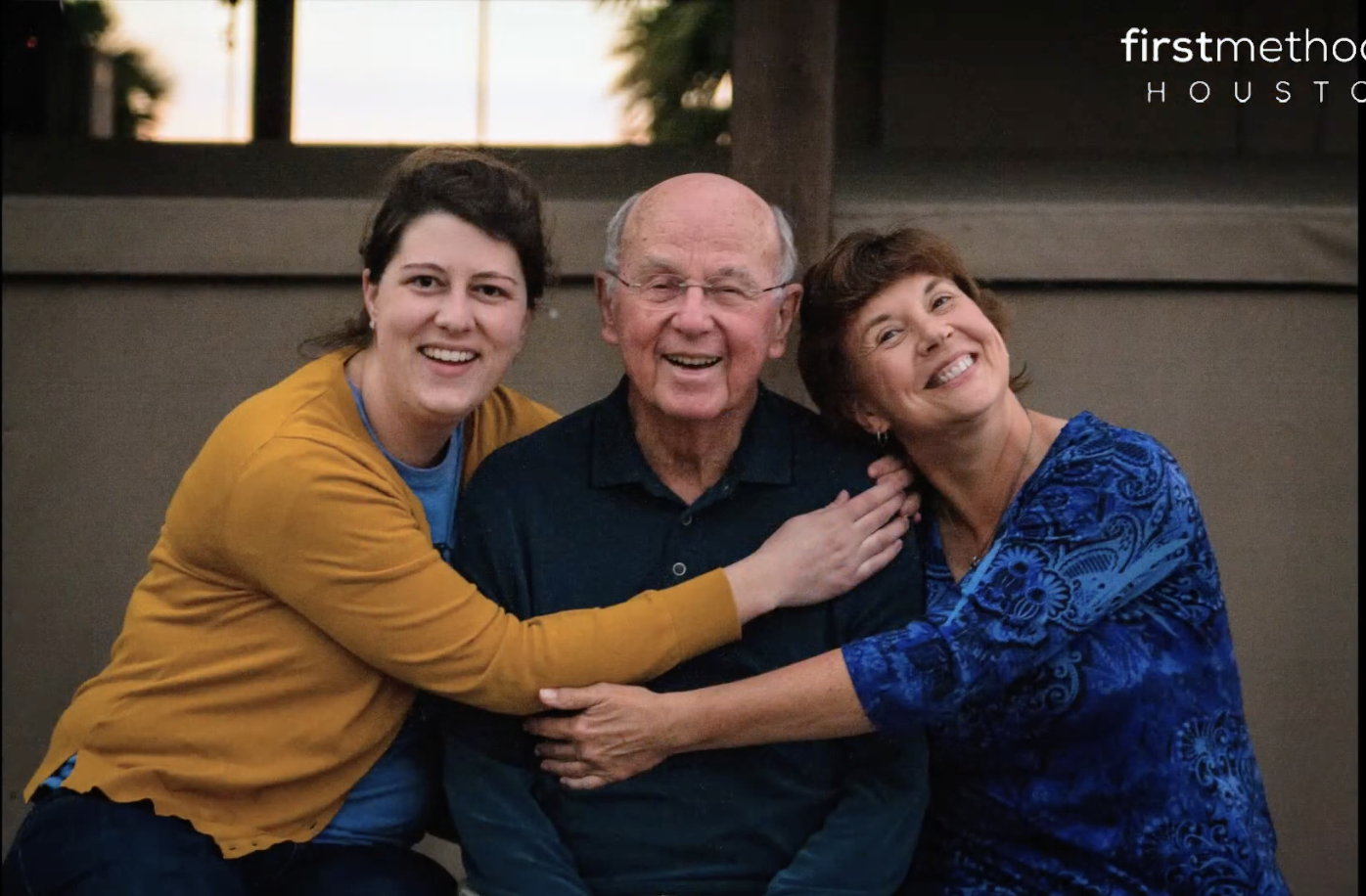
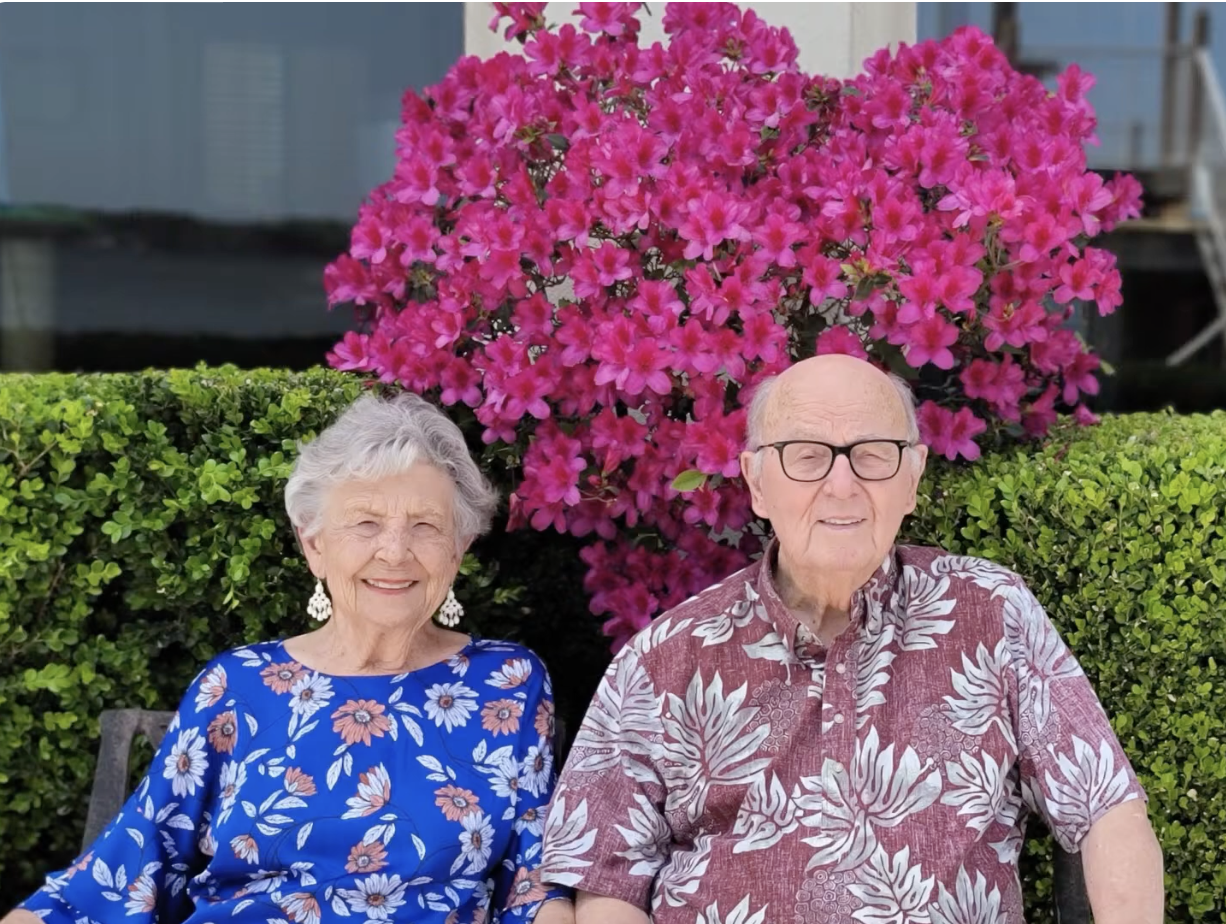
He is survived by his wife of 69 years, Joyce Milton Cooke, his two daughters Cynthia Cooke Smiley (Scott) and Janis Cooke Boulware (Ed), four grandsons Charles Boulware III (Pam Garner), Brian Smiley (Caroline), Chris Boulware (Melissa), Clayton Boulware (Kristin), and one granddaughter Jennifer Smiley. He has three great grandsons Joshua Boulware, Cameron Boulware, Wade Smiley, and four great granddaughters Margaret Smiley, Cecelia Smiley, Hannah Boulware, and Oaklyn Boulware.
Donations to honor his memory may be made to First Methodist Church of Houston, First Methodist Church of Conroe, or to the charity of your choice.
From Journal of Petroleum Technology-February 1, 2024
Claude E. Cooke Jr., SPE, passed away on 17 January 2024. He was 94. His career included more than 70 years’ experience in the industry specializing in drilling, cementing, hydraulic fracturing, oil recovery processes, and cased-hole logging. In 2006, he was named an SPE Legend of Hydraulic Fracturing. Throughout his career, he held over 30 patents and published technical papers in the fields of hydraulic fracturing, cementing, and other technologies related to oil and gas production.
After earning his law degree in 1974, he concentrated on technical aspects of litigation focusing on patent preparation, patent prosecution, trademarks, and trade secret protection. In 2005, he founded Cooke Law Firm in Conroe, Texas, where he specialized in intellectual property law representing clients in the oil and gas industry and other technology clients in the semiconductor, electronics, and chemical industries.
Prior to starting his own firm, he was a consultant for Arthur D. Little in oil industry technology planning and management and served as a litigation expert. Later, he practiced intellectual property law in the firm of Baker Botts LLP.
Before his work as an attorney, Cooke worked as a scientist for Exxon Production Research (now ExxonMobil Upstream Research Company) in Houston, where he performed and directed research in a broad range of technologies related to drilling and production from 1954 to 1986. Prior to that, he completed a year of postdoctoral research at Columbia University.
During his undergraduate career, he was employed by Magnolia Petroleum Company in its research laboratories near Dallas for four summers.
During his time at ExxonMobil, he and two colleagues were named as inventors on a 1978 patent for a “hydraulic fracturing method using sintered bauxite propping agent.” This proppant was first introduced to the industry in 1977 in an SPE technical paper. The invention led to him being known as the “father of ceramic proppants.”
He served on CARBO’s Board of Directors for 13 years before retiring from the position in 2010.
CARBO’s LinkedIn tribute to Cooke said, “During his lifetime, Cooke carried around a pair of pliers in his briefcase, which he affectionately referred to as his ‘API pliers’ in tribute to the American Petroleum Institute. He would challenge people to crush one of the particles of bauxite proppants, proving their inability to do so, while the other proppants would crush easily.” Cooke was also responsible for creating the “Cooke Conductivity Cell.”
In 1985, Cooke received the Outstanding Inventor Award from the Houston Intellectual Property Law Association for three inventions related to the oil and gas industry. In 2016, he was elected to the “Fluids Hall of Fame” by the American Association of Drilling Engineers, and in 2017 he was named as the Distinguished Alumnus in Physics by Louisiana Tech University. In 2021, he published a book Thanks for the Lift: Autobiography of an Oilfield Kid which recounts his upbringing as the son of an oilfield worker, his education, and work experience.
He held a BS from Louisiana Tech University, a PhD in physics from the University of Texas, and JD from the University of Houston Law Center.
Claude and Joyce established two student scholarships:
At Louisiana Tech: The Claude and Joyce Cooke Endowed Scholarship
At University of Texas at Austin: The Joyce and Claude Cooke Endowed Scholarship for UTeach,
which provides scholarships for undergraduate students within the College of Natural Sciences participating in the UTeach program.
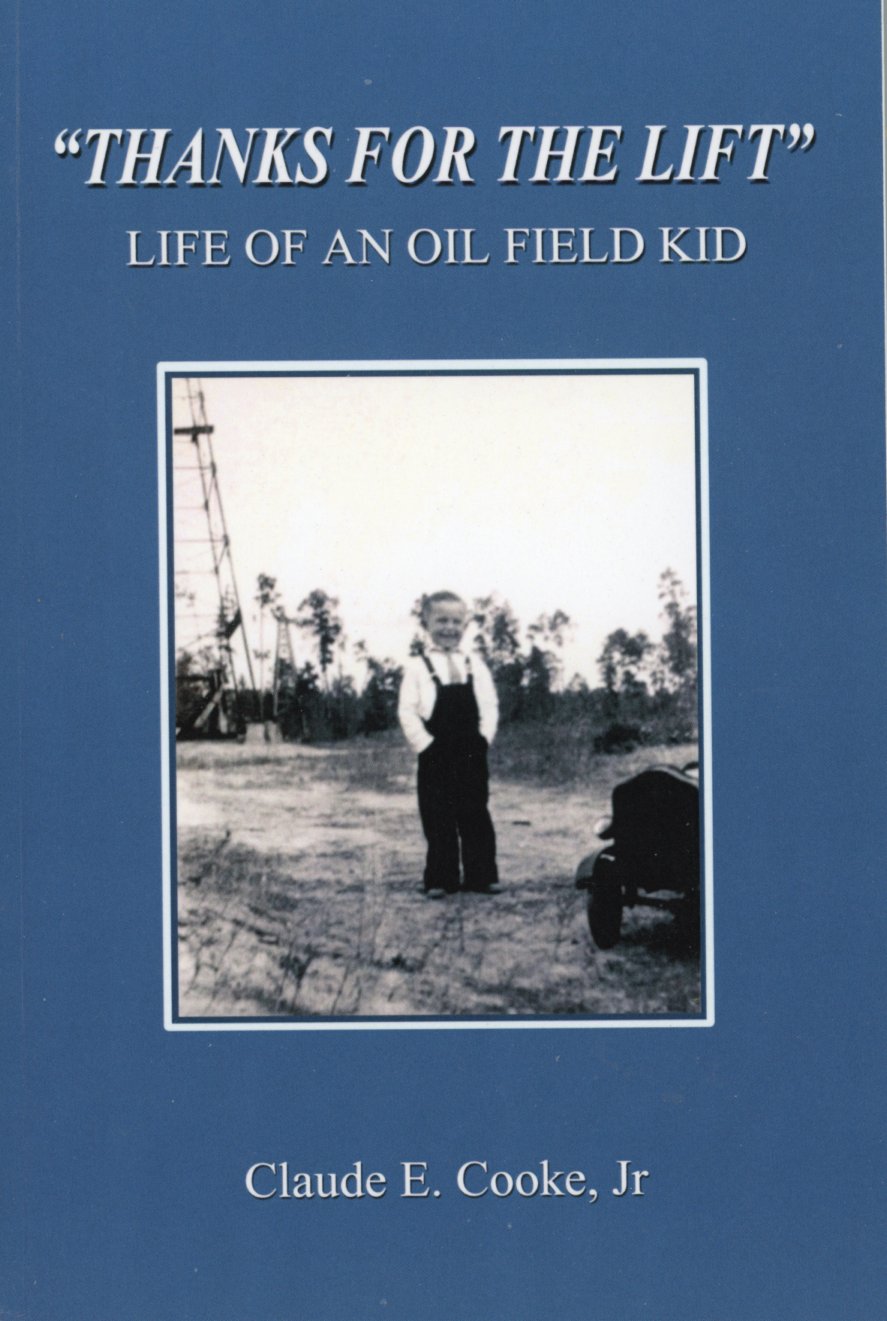 Dr. Cooke published a book about this life, "Thanks for the Lift". In this book he recounts his experience in the UT Physics Department. His faculty stories are especially entertaining and valuable. We also get detailed descriptions of life of a physics graduate student in the 1950s. His motivation and drive are outstanding. Belo are excerpt from the book.
Graduate School: Selection of University
Since I had been programmed by my parents and teachers many years ago to obtain a PhD degree and had decided on the field of study, the only discussion about graduate school was where I would go. By then I had decided that the University of Texas was the place for me. Dr. Ruff at Louisiana Tech knew a faculty member in the physics department at UT (Dr. Hatfield) and, I suppose, put in a good word for me. In January 1951, my parents took me to Austin. I knew a friend from Kilgore, Jimmy Russell, who was attending the University at that time and we arranged to room together in Prather Hall.
MS
It seemed that my classes at Louisiana Tech had prepared me adequately for graduate school at UT. I enrolled as a candidate to obtain a master of science degree in physics. This required 30 hours of physics and math, including a thesis. Since I was interested in the oil industry and earth sciences, I requested Dr. Darrell S. Hughes as my major professor for the master’s degree. Dr. Hughes worked as a geophysicist for Shell Oil Company for a number of years before going to academia. He was an expert in mechanics, particularly rock mechanics. He was very skilled in theoretical aspects of the subject. Also, Dr. Hughes obtained re search grants from the government and was able to pay me a small salary for working in the laboratory and obtaining data for my thesis. I performed experiments to measure the pore volume compressibility of rocks. We wrote a paper that was published in the Journal Geophysics. I obtained the master’s degree in the spring of 1952.
My activities outside the classroom and a study room were limited, but I did play intramural softball on the Prather Hall team during the spring semester. I was a pitcher or first baseman. The team did pretty well except when we played Hill Hall, the athletic dormitory. The pitcher on their team was a big All-Conference football lineman. I remember the sound when the softball went whooshing by as I was trying to get the bat off my shoulder.
PhD
The next school year I became an active member of the Omi- cron chapter of Kappa Alpha fraternity. It was a much larger chapter than the one at Louisiana Tech and had a nice house. I also moved to an apartment near the fraternity house and ate some meals there. I will never forget the tuna casserole, which seemed to be served about every other day. The apartment was shared with Joe Staples, a fraternity brother from Houston and a physics major. I also passed a very important milestone about that time. It was early in my graduate school studies, but I decided to take the preliminary examination for the PhD degree; I believe in the spring semester of 1952. I passed that examination, which was perhaps the most important test that I had taken up to that time. That took the pressure off me in succeeding semesters. Some students took the exam two or three times and had much more stress than I did.
Then I began searching for a topic for my dissertation. I had always been interested in physical chemistry or chemical physics, and had experience from my work at Mobil in the summers that directed me toward the subject of surface and colloid chemistry. It’s taught in the chemistry department, but it can be considered chemical physics. I had become acquainted with Dr. Norman Hackerman as a result of his being a consultant to the Mobil laboratory. Dr. Hackerman was chairman of the chemistry department and had many contacts in industry. I went to the chemistry building and visited with Dr. Hackerman about a suitable subject for my dissertation. I told him that I was interested in surface and colloid chemistry, but one requirement for my dissertation was that I could get some financial support for the work. Dr. Hackerman thought a little bit and said we should apply for a grant from Research Corporation. He knew that they supported research in the area of my interests. We applied for the grant and received it. It paid me $325 per month for the remainder of my time in graduate school. That was not a lot of money, but with my summer work and my parents’ help, I was able to get a loan and buy a 1953 Buick Special 2-door sedan the next summer. Dr. Hackerman helped me a great deal, as he helped many other people. Thanks for the lift, Dr. Hackerman. He went on to become president of UT and president of Rice University and then returned to UT. A new building on the UT campus, across the street from the old chemistry building, is named the Norman Hackerman Building.
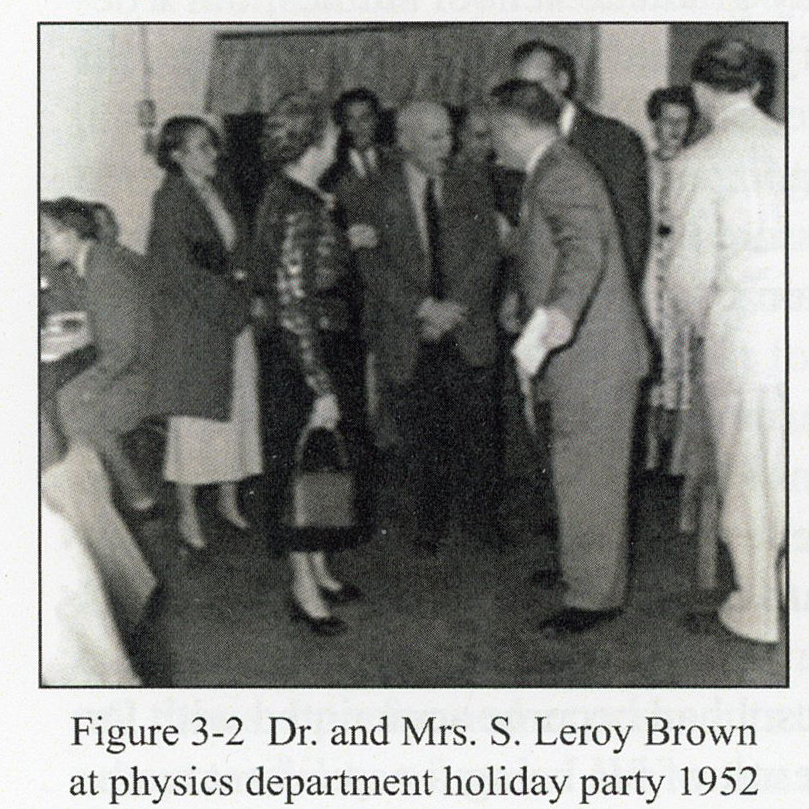 My dissertation required laboratory experiments and laboratory facilities. I was friendly with the chairman of the physics department, Dr. Malcolm Colby, and he assigned me a good-sized room near his office on the first floor of the physics building. It was a great location and provided the room that I needed to set up my experiments. Other students and professors helped me assemble the equipment that I needed. Thanks for the lift Dr. Colby and physics students. My dissertation was titled, “A Study of Electro-kinetic Effects Using Sinusoidal Presure and Voltage.” The initial chairman of my PhD committee was Dr. S. Leroy Brown, a longtime member of the physics faculty. He was famous to students and former students under the name “Sauntometer Brown,” because of his pronunciation of the unit of distance, “centimeter.” A photo of Dr. and Mrs. Brown at the holiday Physics Department party in 1952 is in Fig. 3-2.
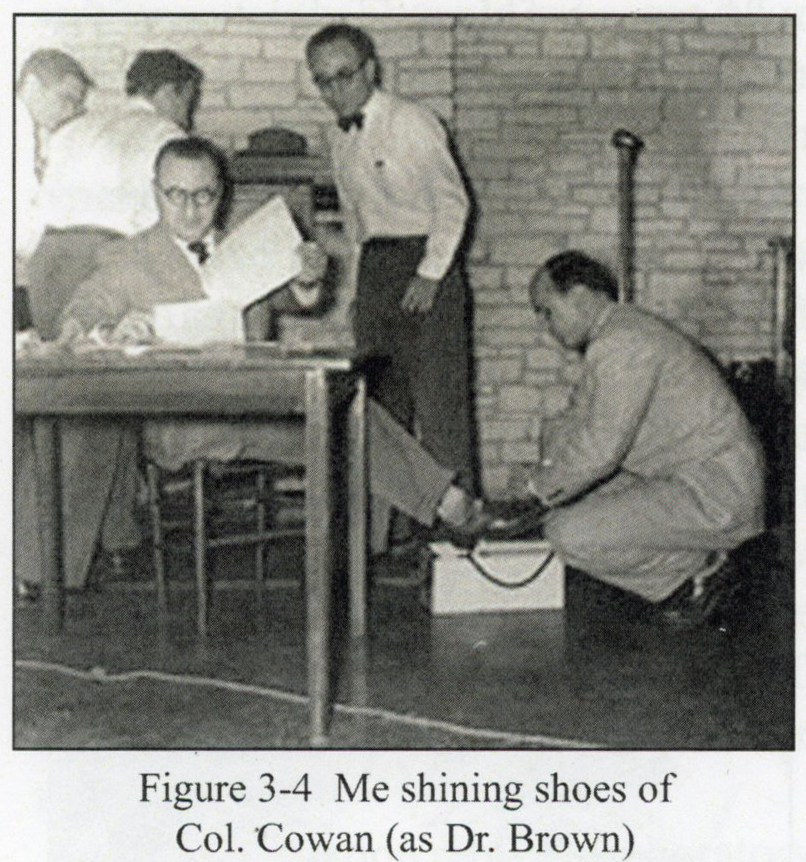
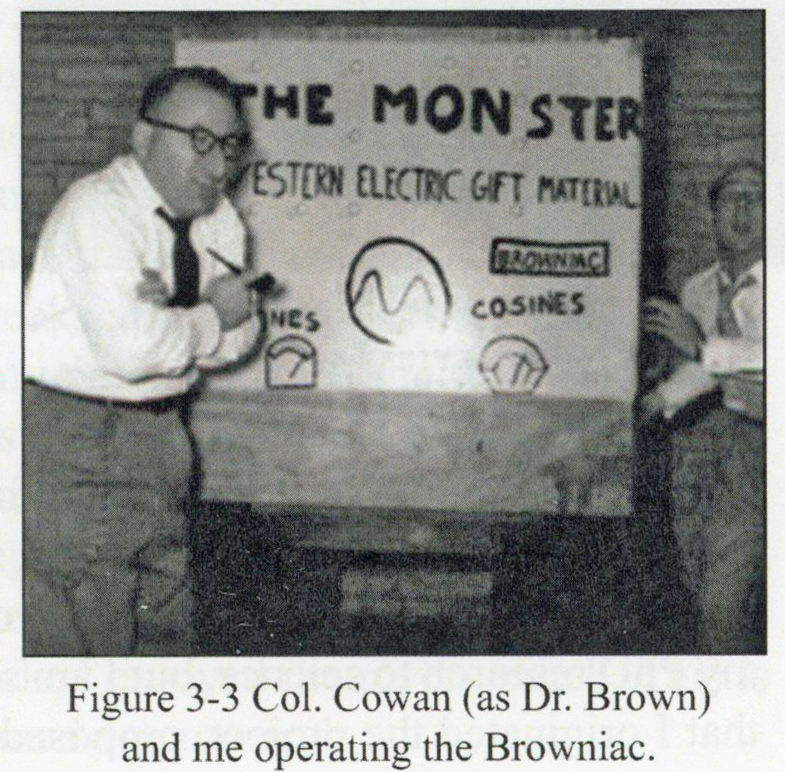 Dr. Brown was honored for his long service to the department. We had a sketch making fun of a device that he and students had made years before. It was in the storage area in the basement of the Physics Building all the years that I was there. I never knew details, but understand that it mechanically integrated sine and cosine functions. I am in the photo in Fig. 3-3, almost cut out of the photo on the right. I was turning a crank, supposedly to perform the mechanical integration. The fellow with the fake nose, impersonating Dr. Brown, is Colonel Cowan, a graduate student sent by the U.S. Army. Note that we called the device the “Browniac.” As part of the skit, I shined Dr. Brown’s (Cowan’s) shoes, as shown in Fig. 3-4.
I believe this was the year that a lady wearing a fluffy net dress was dancing with Mr. Lockenvitz, a faculty member who resembled Albert Einstein in appearance, and her net dress somehow became attached to the zipper in Mr. Lockenvitz’s trousers. This caused quite a commotion; the situation was resolved as they moved apart.
Dr. Brown became ill during my project, and chairmanship of my committee was assumed by Dr. D.S. Hughes, who had been the advisor for my master’s thesis. Dr. Hackerman was an important member of my committee, but he could not be chairman because he was in the chemistry department. Two math professors were also assigned to my committee, I suppose because of University requirements, but my dissertation contained no significant mathematics. All members of the committee dutifully assembled and listened to my defense of my dissertation. The work was later published in the Journal of Chemical Physics. I also won the Sigma Pi Sigma award for the best research project in the physics department in 1954. I have never been particularly proud of the contribution of my PhD research to science, but I am somewhat proud of the fact that I originated the project, proposed and obtained funding for the work and organized and carried out the entire project, including publication. Many PhD students in the physics department at that time took a project from a major professor and followed the steps set out by the professor. But, as in every other aspect of my life, I had a lot of help, for which I say “Thanks for the lift.”
Claude's Patent History is included at end of the photo album below.
From Texas Monthly, January 22, 2024, written by Russell Gold
Farewell to One of the Fathers of Fracking
Claude Cooke loved the oil and gas business—and worked to address some of its shortcomings.
I first encountered Claude Cooke on the internet, when he and his wife, Joyce, briefly became viral sensations. In a YouTube clip viewed more than three million times since it was posted, in 2007, they dance down a suburban Houston street to a rap song while their canary-yellow car slowly glides—driverless—between them. “Ghost Ridin’ Grandma” would have been a classic of its genre, if there were a genre of such videos. Cooke was 77 years old at the time and danced with youthful enthusiasm.
The second time I encountered Cooke, he called out of the blue to talk to me about fracking. This was a few years later, amid growing concerns about whether the use of hydraulic fracturing would lead to widespread water contamination. When something went wrong with groundwater, don’t blame the fracking, he advised—look at the cement. “If there is a problem, the issue is well integrity,” he said. It wasn’t until some weeks later that I realized the oil industry elder statesman who spoke to me in the measured sentences of an expert witness was the same guy I’d seen dancing on YouTube.
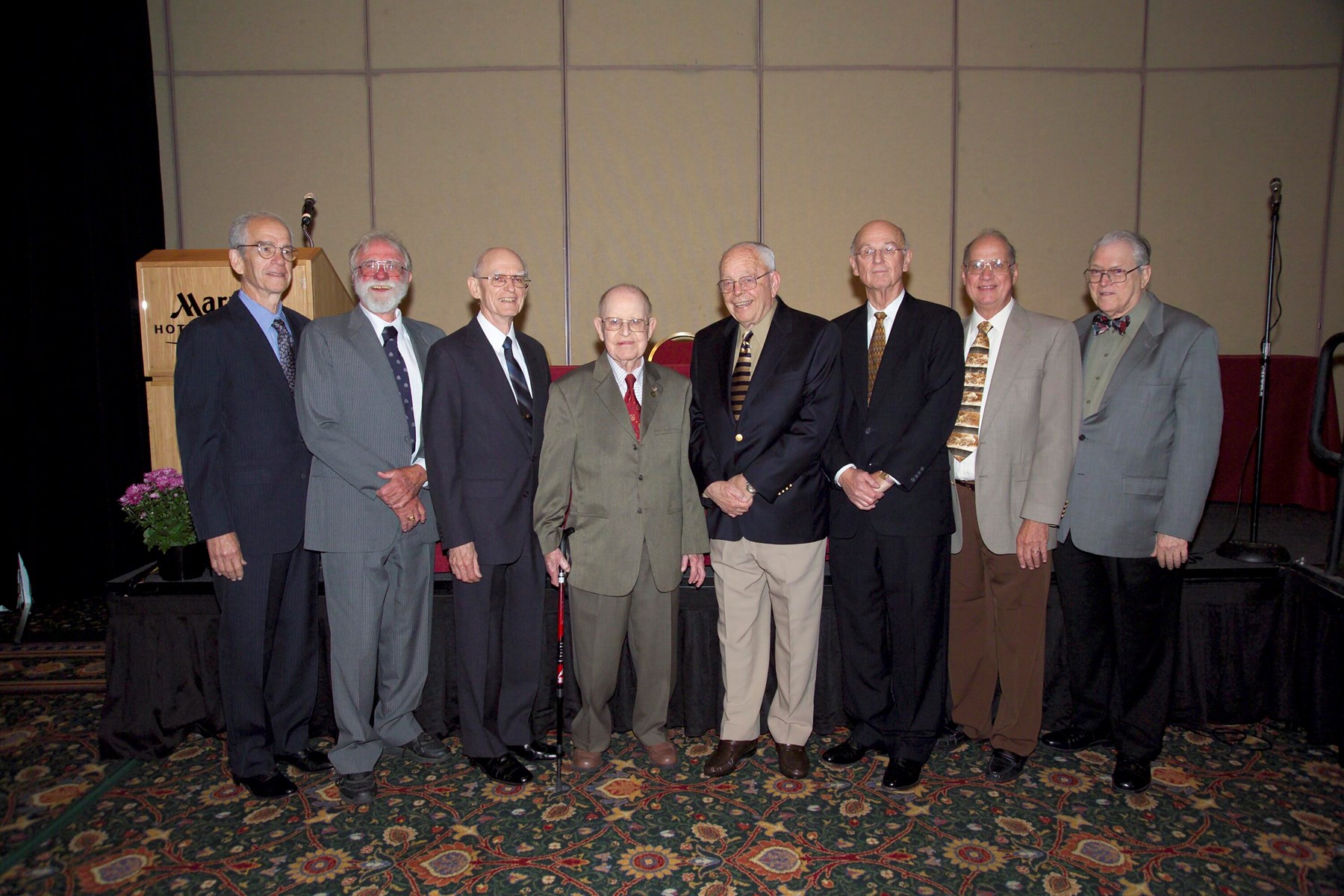
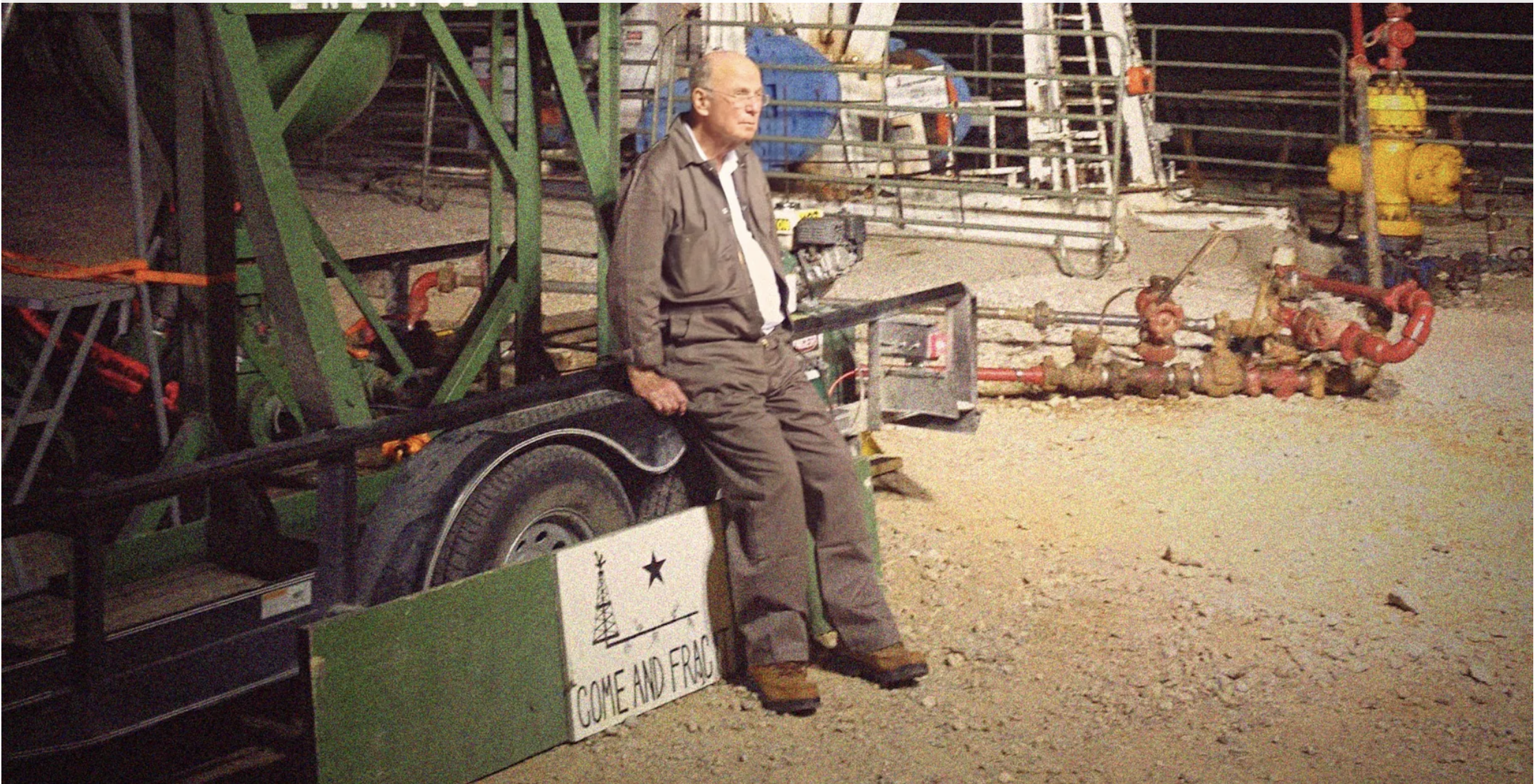
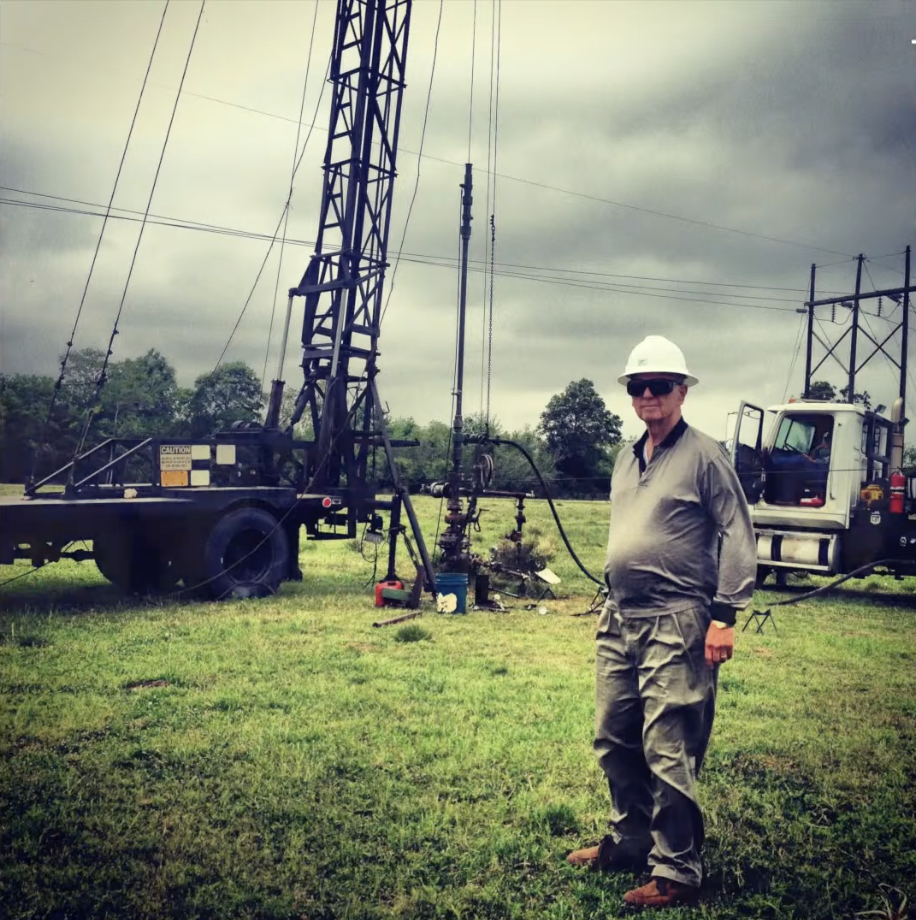
Cooke is best known for ceramic proppant, a superstrong, specklike sphere that holds open fractures created by fracking. The device, which he invented while working for Exxon in the seventies, allowed the industry to frack deeper, hotter wells. Until Cooke’s innovation, the weight of the earth would often grind up the sands then used to prop open fractures, preventing the natural gas from flowing to the surface. In 2006, a year before his YouTube fame, the Society of Petroleum Engineers unveiled its first class of fracking “legends.” Cooke was one of nine inductees. He died on January 17, 2024, at age 94, in his home on Lake Conroe.
| Claude E. Cooke Jr. Photo Album | |
|---|---|
|
|
|
|
|
|
|
|
|
|
|
|
|
|
|
|
|
|
|
|
|
|
|
|
|
|
|
|
|
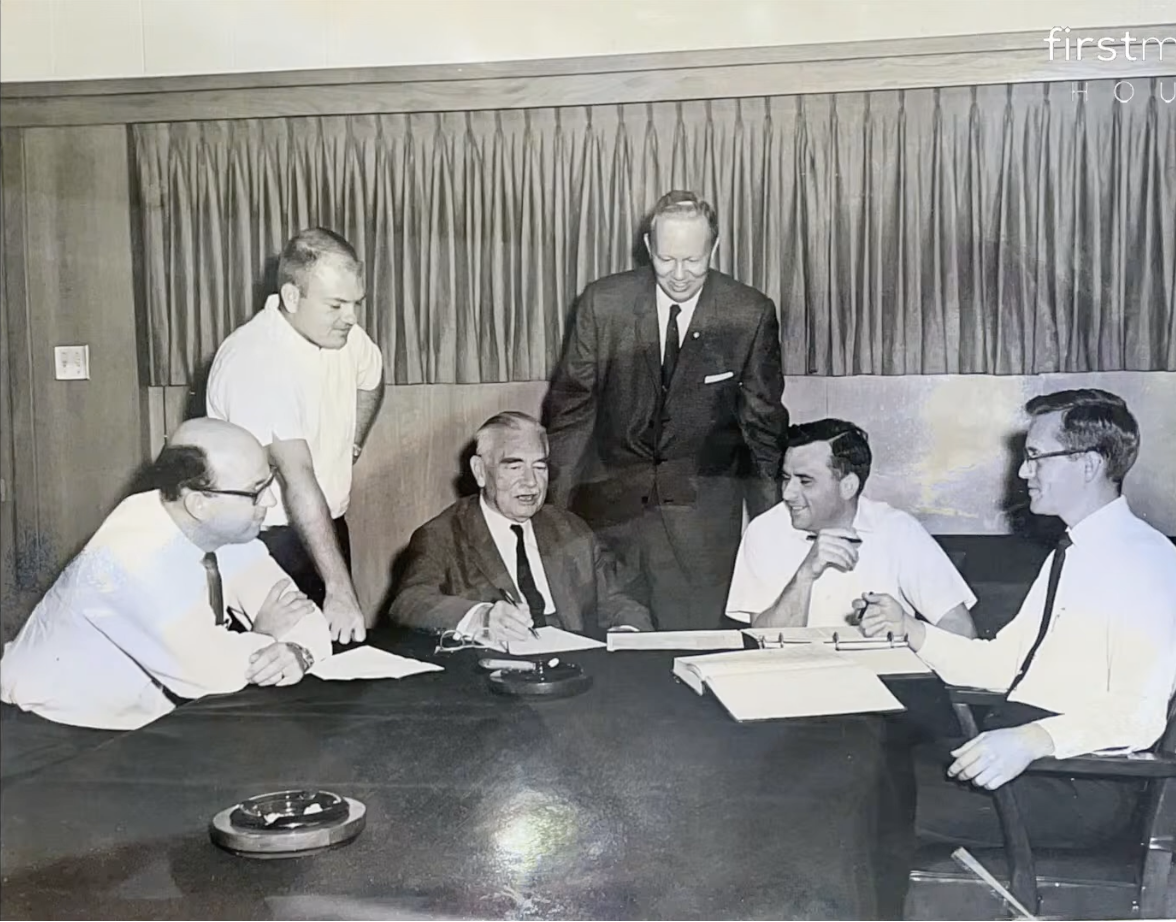
Left to Right: Claude Cooke Jr., Dr. R. C. "Bob" Ayers, Nobel Laureat Dr. Peter. J. W. Debye, Rupert Craze (Administrator of Consultants), Dr. R. E. "Bob" Williams and Dr. L. H. (Leon) Robinson. Humble Laboratory Group with Debye. |
|
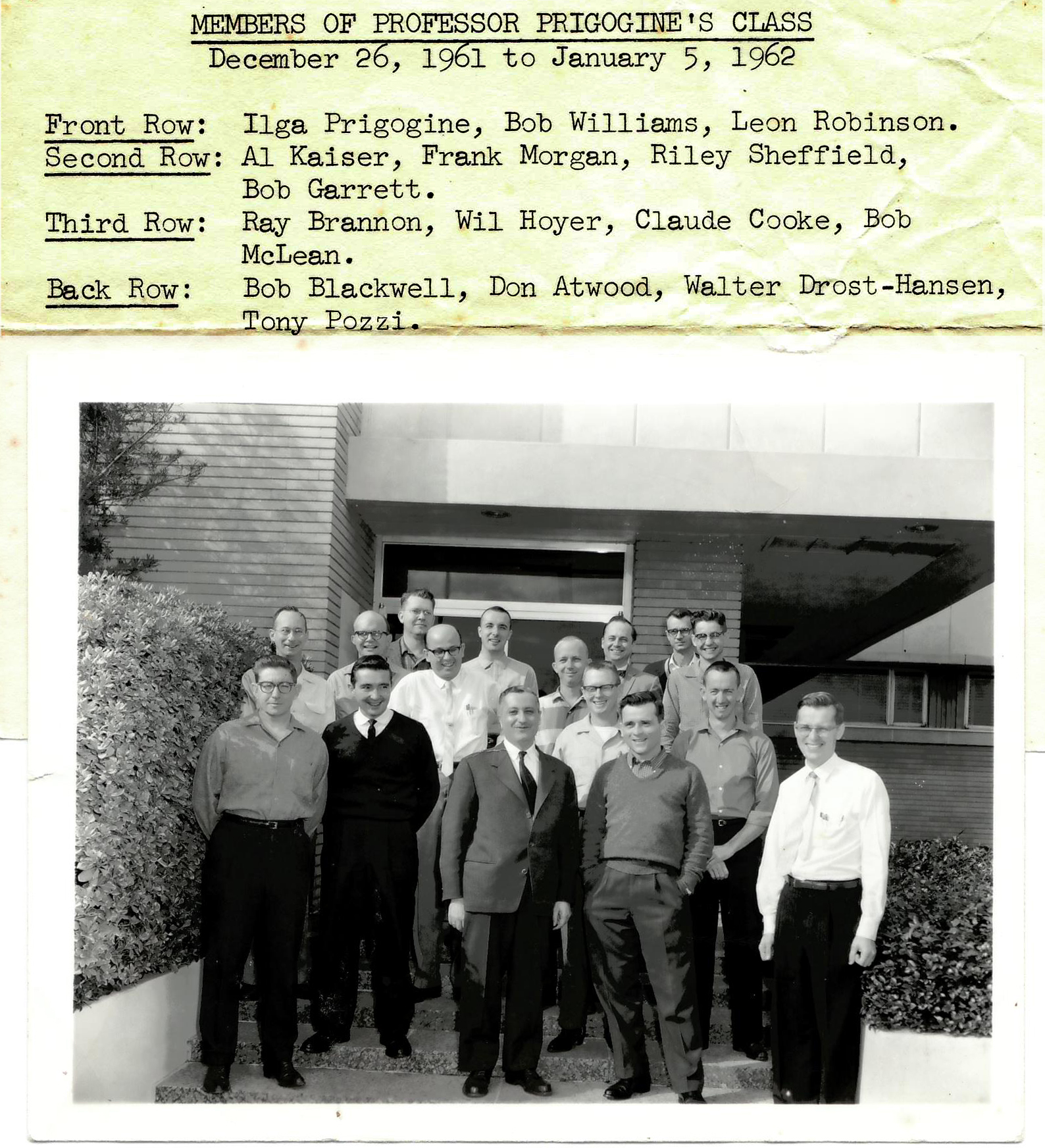
Likely a series of lectures by Nobel Prize Winner Ilya Prigogine (suiit and tie), a professor of physics at UT austin. |
|
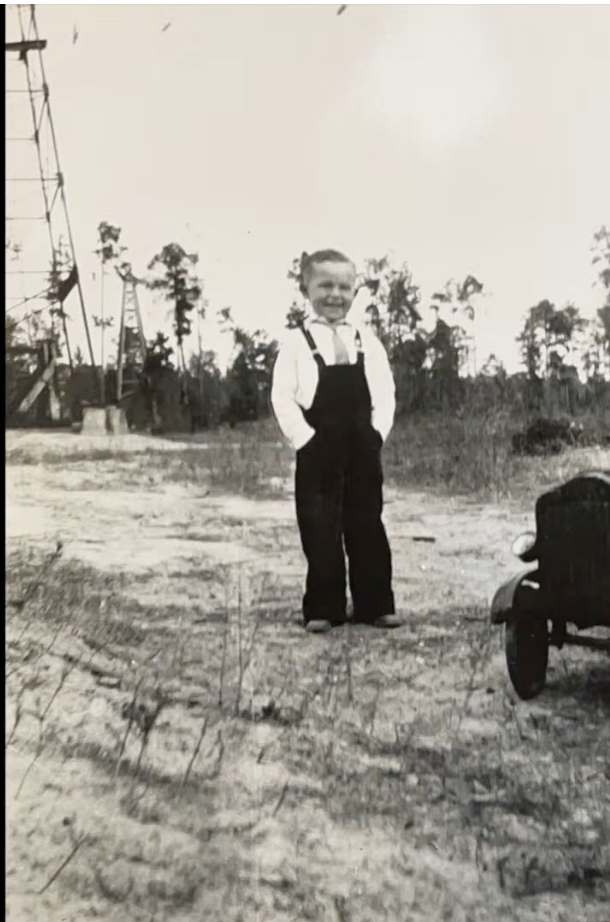
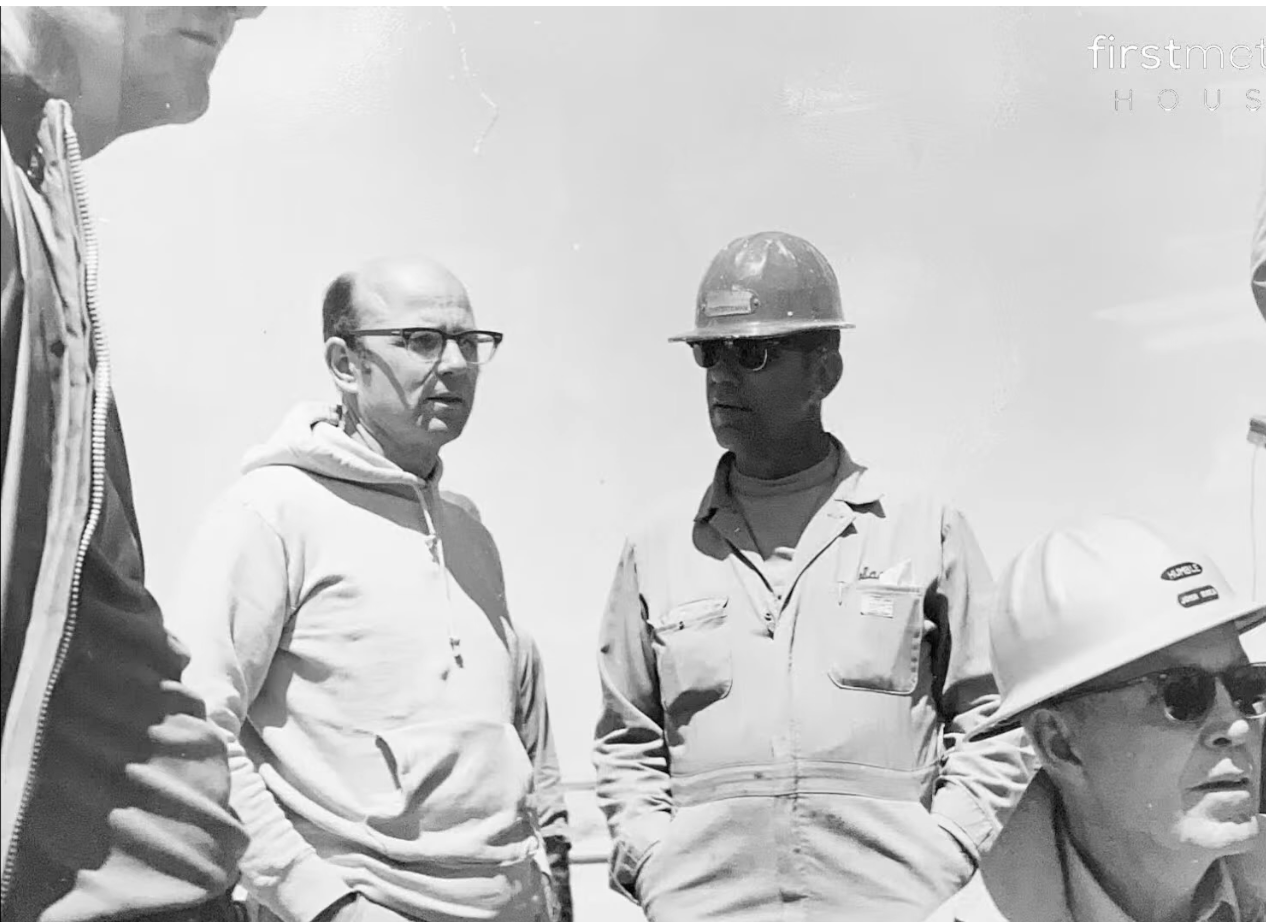
Two oil wells in background |
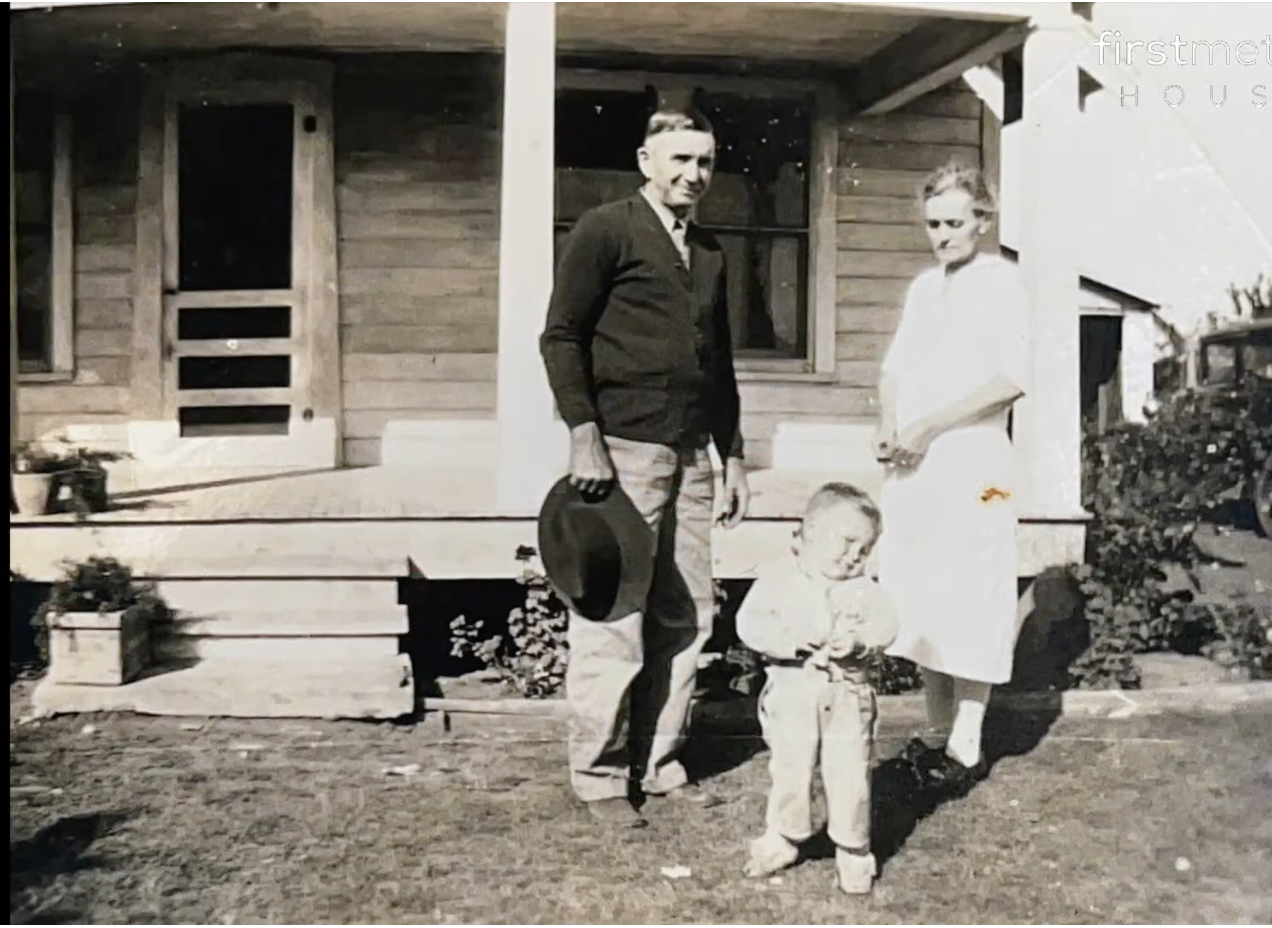
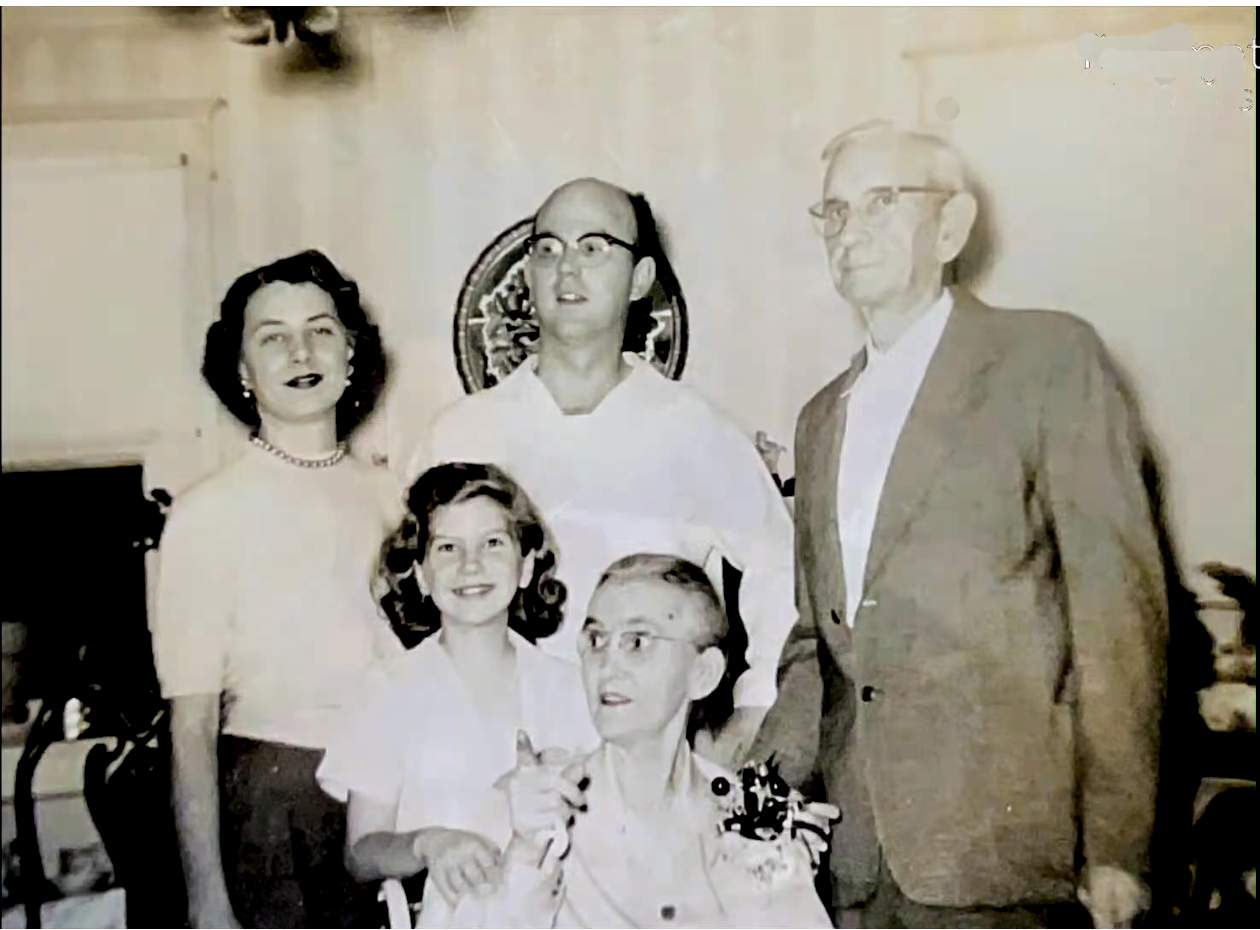
Claude with maternal grandparents, Benjamin Franklin and Lela Alice McCurry Tilley. |

Claude Cooke Jr., Patent History |
|

Claude Cooke Jr., Patent History |
|

Claude Cooke Jr., Patent History |
|
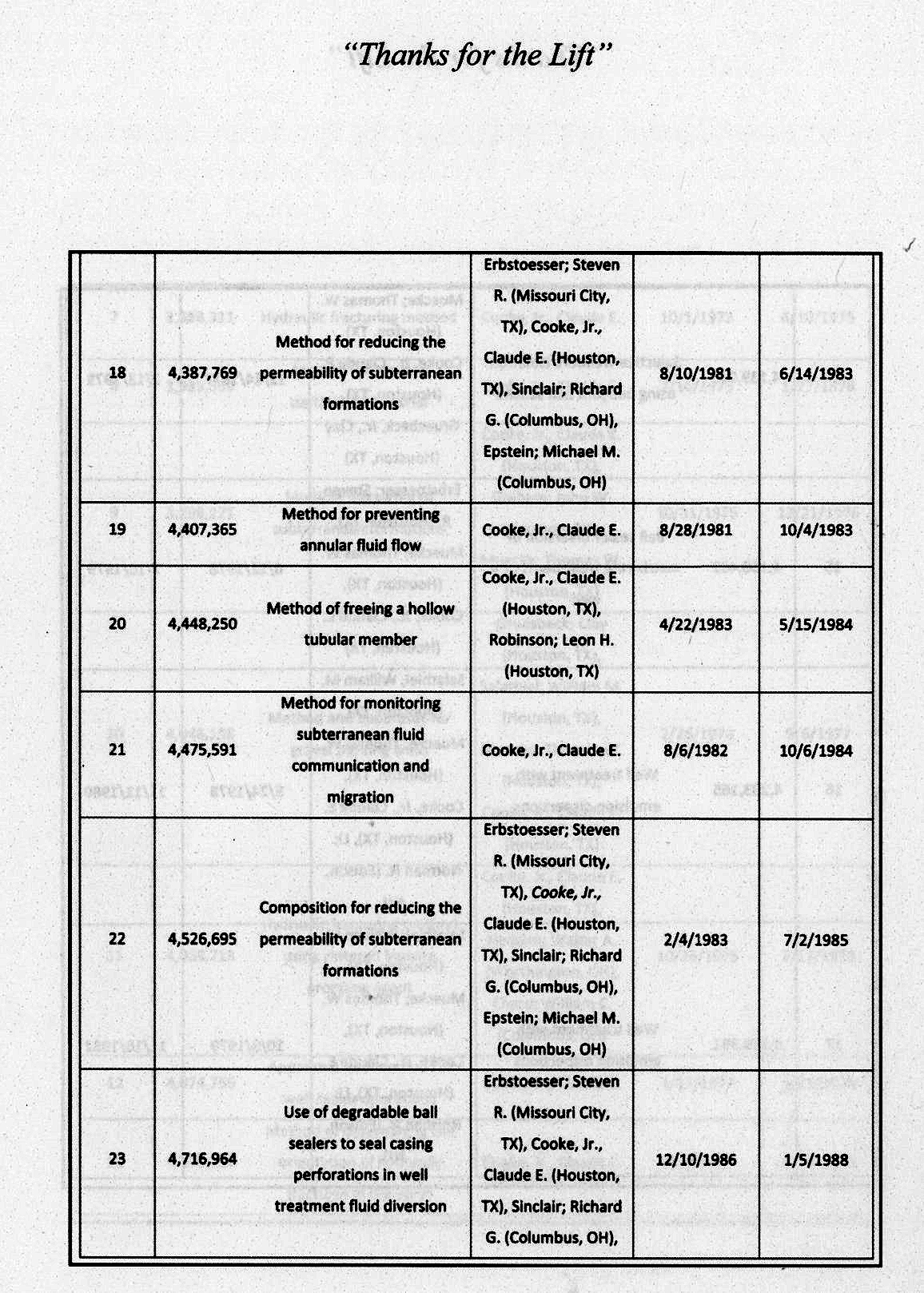
Claude Cooke Jr., Patent History |
|
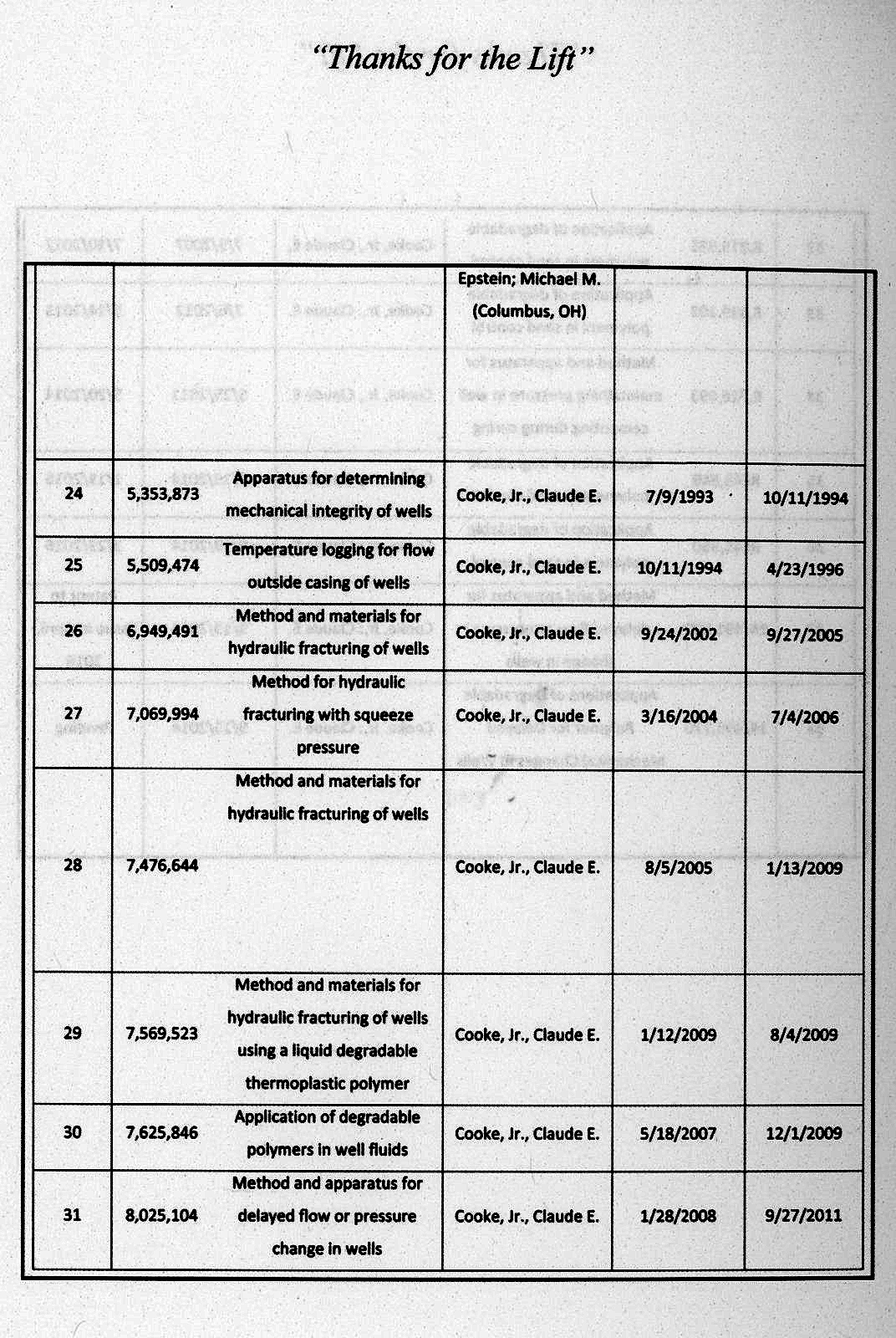
Claude Cooke Jr., Patent History. |
|

Claude Cooke Jr., Patent History. |
|